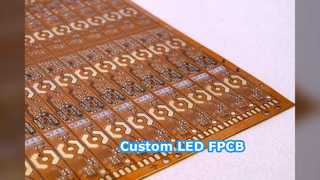
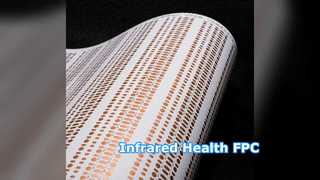
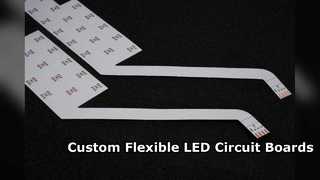
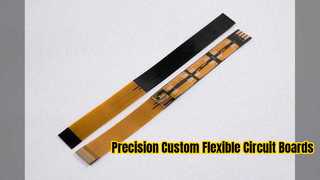
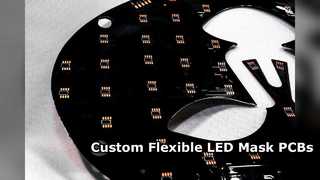
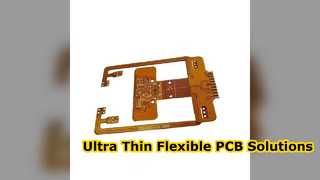
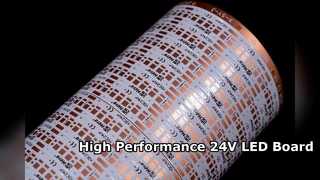
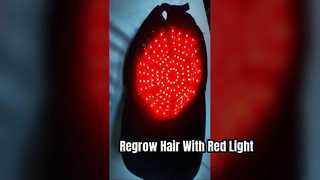
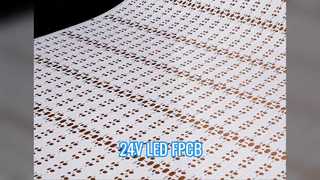
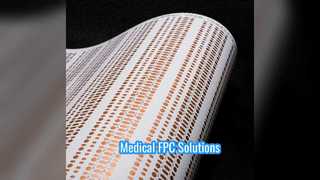
Brief: See the solution in real use and note how it behaves under normal conditions. This video provides a detailed demonstration of the Corn Light Flexible FPC Board, showcasing its ultrathin, polyimide-based construction and copper-plated LED strip design. You'll see close-up views of the double-layer PCB, its surface treatments, and practical application examples of this flexible printed circuit assembly.
Related Product Features:
Features a double-layer circuit board design for enhanced electrical performance and reliability.
Constructed with a polyimide base material, offering excellent flexibility and heat resistance.
Utilizes copper plating for superior conductivity and efficient LED operation.
Includes a black film on both sides for improved durability and a clean aesthetic.
Incorporates black text printing for clear component identification and traceability.
Surface is treated with OSP (Organic Solderability Preserving) for anti-oxidation protection.
Designed as an ultrathin flexible LED strip FPC, ideal for space-constrained lighting applications.
Offers factory direct sales for the flexible printed circuit assembly, ensuring quality and value.
FAQs:
What is the base material used in this Flexible FPC Board?
The board is constructed using a polyimide base, which provides excellent flexibility, thermal stability, and durability, making it suitable for demanding LED lighting applications.
What surface treatment is applied to the FPC board?
The surface undergoes an OSP (Organic Solderability Preserving) treatment, which acts as an anti-oxidation layer to protect the copper and ensure reliable solderability during assembly.
Is this a single-layer or double-layer circuit board?
This is a double-layer circuit board design, which allows for more complex circuitry and improved electrical performance compared to single-layer alternatives.
What are the visual features of this LED Light Strip FPC?
It features a black film on both sides for protection and aesthetics, along with black text printing for clear marking and identification of components.